Pipeline Manufacturer Limelight: Discover the most effective in the Market for Your Next Project
In the domain of pipeline manufacturing, the option of manufacturer can substantially impact the result of your project. With a variety of firms using ingenious remedies and innovative materials, understanding the essential criteria for choice comes to be necessary. Sector leaders like Tenaris, Vallourec, and U.S. Steel go to the forefront of giving lasting and trusted options. The concern remains: what certain factors should assist your decision-making procedure, and exactly how do these manufacturers distinguish themselves in a significantly competitive market? Checking out these aspects might expose understandings that could affect your following job's success.
Market Review
In the pipeline manufacturing sector, there exists a vibrant interaction of technological innovations and regulatory needs that forms market practices. This industry is crucial for the transport of oil, gas, water, and various other fluids, requiring a durable understanding of both material buildings and environmental impacts. Manufacturers are increasingly incorporating sophisticated products and ingenious manufacturing strategies to enhance the durability and effectiveness of pipes, guaranteeing they can withstand varying pressures and ecological problems.

On top of that, the surge of electronic technologies has actually transformed typical manufacturing processes, enabling enhanced surveillance and predictive maintenance. This change not just improves functional efficiency however also assists in minimizing potential failings prior to they escalate into critical problems. On the whole, the landscape of pipeline manufacturing is characterized by a constant evolution driven by advancement and conformity, positioning the market for future development and sustainability.
Key Requirements for Option
Selecting the best pipeline supplier involves mindful consideration of numerous essential standards that assure integrity, performance, and compliance with sector criteria. Analyze the supplier's experience and online reputation within the industry. A reputable firm with a tried and tested performance history is more probable to provide top notch services and products.
Next, evaluate the variety of specs and products used. Manufacturers must supply a range of choices that cater to diverse project demands, consisting of various pipe sizes, materials, and layer systems. Conformity with pertinent sector standards, such as ASTM or API, is crucial, as it assures the items satisfy security and performance benchmarks.
Furthermore, think about the producer's technological capacities. Advanced manufacturing methods and quality control measures can significantly impact the durability and performance of the pipes. Customer care and support are also crucial; a educated and receptive group can promote smoother job execution and deal with any type of worries immediately.
Evaluate pricing structures and lead times. While cost-effectiveness is vital, it ought to not endanger high quality. Stabilizing these requirements will cause a well-informed choice that aligns with task goals and governing demands.
Leading Pipeline Manufacturers
In the competitive landscape of pipeline manufacturing, numerous market leaders stand out for their cutting-edge modern technologies and commitment to sustainability. These leading producers not just stand out in providing top quality items but also focus on eco responsible techniques in their procedures. An overview of their payments provides useful understandings into the future of pipeline services.
Market Leaders Review
How do market leaders form the pipeline manufacturing landscape? The leading pipeline suppliers play an important function in developing sector criteria, driving development, and ensuring high quality guarantee throughout the supply chain. Firms such as Tenaris, Vallourec, and united state Steel have actually established benchmarks for performance, security, and sustainability, influencing not just their operations but likewise their competitors.
These leaders invest considerably in r & d to enhance product sturdiness and effectiveness. Their dedication to sticking to regulative conformity and worldwide requirements promotes consumer count on and motivates industry-wide adoption of best practices. They frequently work together with stakeholders, including engineers and building firms, to guarantee that their items fulfill details job demands and environmental factors to consider.
Market leaders also prioritize consumer relationships, supplying customized options and exceptional solution, which enhances their market position. By leveraging economies of range, they can provide competitive rates without jeopardizing top quality. Ultimately, the impact of these producers expands beyond their items; they shape the future of pipeline modern technology and manufacturing processes, guaranteeing a durable and sustainable facilities for numerous markets worldwide.
Cutting-edge Technologies Provided
What cutting-edge innovations are transforming the pipeline manufacturing industry? In recent times, leading pipeline producers have actually embraced sophisticated technologies to improve performance, reliability, and security in their procedures. One significant advancement is the assimilation of smart pipeline tracking systems, making use of Internet of Things (IoT) sensing units. These systems provide real-time data on pipeline problems, making it possible for proactive maintenance and minimizing the threat of failings or leakages.
Additionally, producers are increasingly embracing sophisticated products, such as composite pipelines, which supply enhanced longevity and resistance to corrosion. These materials not only prolong the life expectancy of pipes yet additionally reduce operational costs in time. Additionally, additive manufacturing, or 3D printing, is transforming the manufacturing procedure. This modern technology permits rapid prototyping and personalization of elements, enhancing supply chains and minimizing waste.
Expert system (AI) and artificial intelligence formulas are also acquiring traction, optimizing style processes and predictive maintenance schedules. By evaluating large datasets, these technologies assist recognize possible problems before they occur, enhancing safety and functional performance. As these ingenious innovations remain to evolve, they assure to form the future of pipeline manufacturing, guaranteeing that projects can be finished promptly and within budget plan while maintaining the utmost safety and security requirements.
Sustainability Practices Highlighted
The ongoing developments in ingenious innovations within the pipeline manufacturing market are enhanced by a growing emphasis on sustainability practices amongst top manufacturers. These firms are progressively adopting environmentally friendly approaches, minimizing waste, and reducing their carbon impacts throughout the production procedure.
Leading makers are prioritizing making use of recycled materials, boosting the lifecycle of their products. By applying closed-loop systems, they effectively utilize resources, thereby reducing the environmental effect connected with basic material removal and processing. In addition, numerous companies are investing in renewable resource sources to power their procedures, further minimizing greenhouse gas emissions.
Additionally, pipeline manufacturers are accepting innovative finishings and products that improve rust resistance and long life, which ultimately reduces the regularity of substitutes and repair work. These lasting techniques not just add to environmental stewardship however likewise straighten with the expanding regulative needs and market assumptions for liable manufacturing.
Furthermore, partnership with stakeholders to promote sustainability efforts showcases a dedication to a greener future. By concentrating on sustainable methods, top pipeline makers are not just boosting their functional performance but likewise establishing a standard for market standards, promoting a much more lasting pipeline facilities for all.
Ingenious Technologies
The pipeline market is experiencing a transformative change with the combination of ingenious innovations, especially in advanced materials development and clever pipeline surveillance systems. These innovations not just improve the toughness and effectiveness of pipelines yet likewise enhance safety and environmental stewardship. As suppliers welcome these sophisticated options, the future of pipeline facilities looks increasingly encouraging.
Advanced Products Development
Innovations in innovative materials development are changing the pipeline manufacturing market, driving enhancements in performance, performance, and toughness. The emergence of high-strength alloys and composite products has actually enabled the manufacturing of pipes that can hold up against extreme problems, consisting of high pressure and destructive environments. These products not only prolong the lifespan of pipes but likewise decrease upkeep costs, ultimately causing boosted operational effectiveness.

Developments in polymer scientific research have actually led to the production of lightweight, versatile piping systems that are much easier to mount and move. These developments contribute to reduce carbon footprints in pipeline jobs, lining up with worldwide sustainability goals. Furthermore, the combination of nanotechnology in material advancement is opening new avenues for enhancing the mechanical properties of traditional materials, resulting in pipelines that can sustain better stress and anxiety while keeping honesty.
As suppliers remain to spend in study and growth, the pipeline sector is experiencing an unprecedented evolution in try this out material capabilities. This focus on advanced materials not only sustains the expanding need for trusted framework yet additionally promotes a competitive landscape wherein firms can separate themselves through premium item offerings. The future of pipeline manufacturing is absolutely linked with these groundbreaking innovations.
Smart Pipeline Monitoring Equipments
Smart pipeline tracking systems are transforming the landscape of pipeline monitoring by incorporating cutting-edge technologies such as IoT sensing units, expert system, and real-time information analytics. Pipeline Manufacturer. These systems make it possible for drivers to monitor the honesty and performance of pipelines constantly, substantially minimizing the risk of failings and leaks
Through the implementation of IoT sensing units along pipeline paths, drivers gather necessary data on stress, temperature, and circulation rates. This information is transferred in real-time to central monitoring systems, permitting for immediate evaluation and feedback to anomalies. Advanced man-made knowledge algorithms evaluate this information to recognize patterns, predict prospective concerns, and recommend preventative steps before they rise into costly issues.
The execution of smart tracking systems not just boosts operational effectiveness however additionally fosters compliance with governing criteria. By providing in-depth records and insights, these innovations sustain far better decision-making and risk administration. In addition, the assimilation of artificial intelligence capacities makes it possible for systems to improve gradually, adjusting to transforming conditions and improving anticipating precision.
As the sector remains to embrace these advancements, clever pipeline tracking systems are positioned to play a crucial role in making sure the safety and security, reliability, and sustainability of pipeline infrastructure. Pipeline Manufacturer.
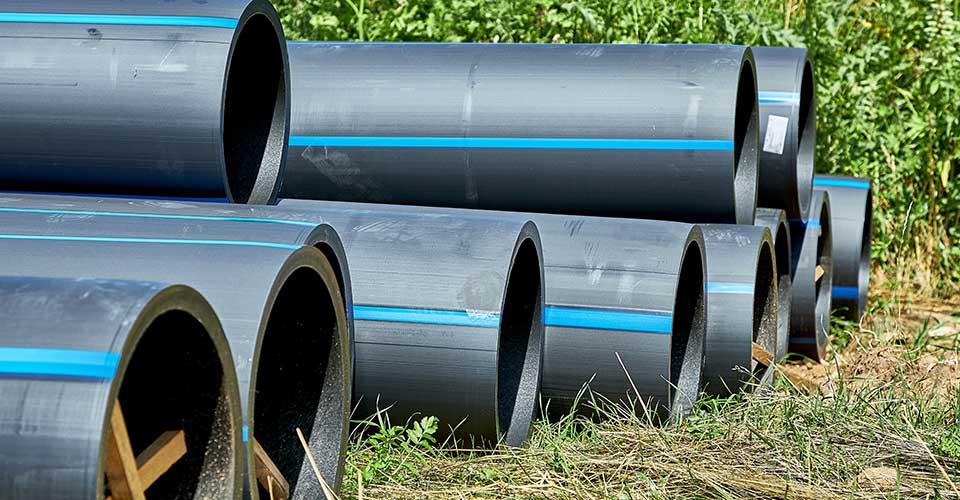
Study of Success
Success stories within the pipeline manufacturing industry illuminate the effectiveness of innovative solutions and cooperation among stakeholders. One noteworthy case is the collaboration between a leading manufacturer and an oil company to apply a modern smart pipeline surveillance system. The job considerably minimized leak discovery times and improved functional efficiency, showcasing the value of innovative innovation in boosting security and lowering expenses.
An additional example includes a producer that efficiently integrated sustainable materials into their pipeline building and construction. By collaborating with research establishments, they established a composite material that is not just resilient however additionally eco-friendly. This development not just met regulative requirements but likewise brought in brand-new clients seeking lasting remedies.
A pipeline job in a tough geographical area demonstrated the significance of flexible design techniques. The producer teamed up with neighborhood designers to develop a pipeline that might hold up against severe climate condition, inevitably stopping service disturbances and guaranteeing integrity for end-users.
These study exemplify how calculated collaborations, technical developments, and adaptive remedies in the pipeline manufacturing sector result in successful project results, thereby reinforcing the sector's commitment to delivering top notch infrastructure while attending to customer needs properly.
Sustainability Practices
As the pipeline manufacturing sector develops, the combination of sustainability practices has actually ended up being increasingly vital. Manufacturers are embracing green products and processes to reduce their ecological influence while preserving high standards of top quality and safety and security. This shift is driven by both regulatory needs and a growing awareness of ecological responsibility among stakeholders.
One noticeable method is making use of recycled products in pipeline manufacturing, which decreases the need for virgin resources and reduces waste. Companies are likewise buying energy-efficient manufacturing techniques, consequently lowering their carbon impact throughout production. Furthermore, many makers have actually adopted water conservation techniques, ensuring that water usage is lessened and wastewater is dealt with efficiently.
In addition, sustainable transportation techniques are being made use of to deliver materials, including maximizing logistics to reduce discharges. The commitment to lifecycle assessments permits manufacturers to examine the ecological impact of their items from inception to disposal, promoting not only sustainability however likewise long-term economic feasibility.
Inevitably, the adoption of sustainability methods in pipeline manufacturing indicates a crucial step towards aligning market operations with global environmental goals, ensuring that future tasks are both responsible and innovative - American Plastics LLC HDPE Pipeline Manufacturer. - Pipeline Manufacturer
Future Trends in Pipeline Manufacturing
What innovations are on the perspective for pipeline manufacturing? As the sector evolves, several crucial patterns are forming the future of pipeline manufacturing. Initially, the integration of advanced materials such as composite pipes guarantees boosted longevity and resistance to corrosion, therefore expanding the life-span of pipes. These materials not just lower upkeep expenses but also improve safety and security criteria.
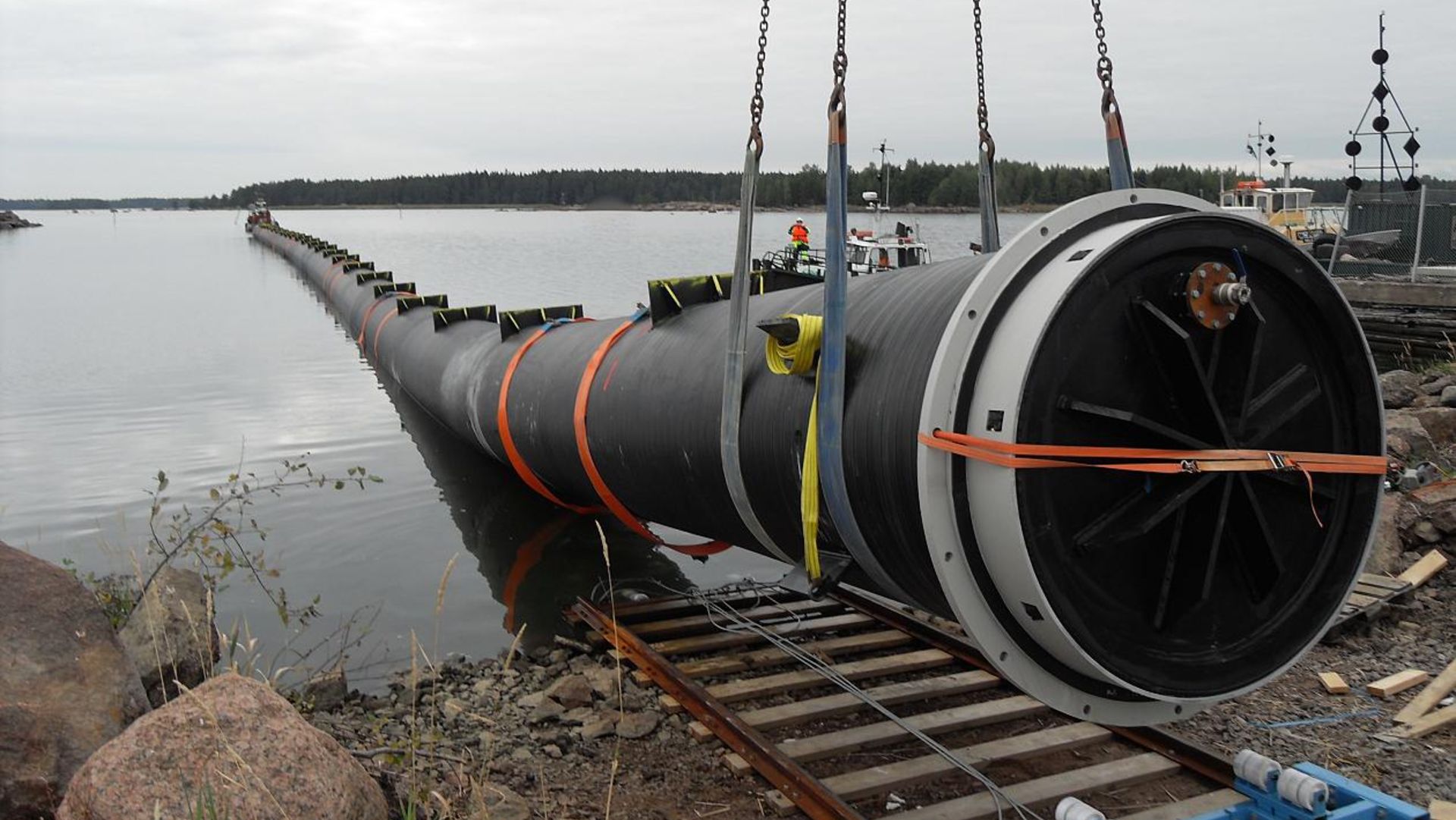
Sustainability remains a critical focus, with makers increasingly prioritizing green practices. The development of naturally degradable products and the implementation of reusing programs are obtaining traction, lining up with international environmental goals.
Frequently Asked Concerns
What Products Are Generally Used in Pipeline Manufacturing?
Typical products made use of in pipeline manufacturing consist of carbon steel, stainless steel, polyethylene, and ductile iron (American Plastics LLC HDPE Pipe Solutions). Each product offers unique benefits concerning toughness, corrosion resistance, and suitability for numerous applications within the pipeline industry
How much time Does the Pipeline Manufacturing Process Usually Take?
The pipeline manufacturing procedure commonly ranges from a few weeks to numerous months, depending on elements such as material choice, manufacturing ability, and customization requirements. Effective preparation and coordination can significantly affect the total timeline.
What Are one of the most Typical Pipeline Sizes Available?
One of the most usual pipeline sizes range from 2 inches to 48 inches in size. Irregularity exists based on particular applications, industry requirements, and local requirements, ensuring flexibility to meet varied task needs and functional requirements.
Are There Guarantees Provided on Pipeline Products?
Yes, numerous pipeline manufacturers offer warranties on their items, typically covering product issues and handiwork. The period and terms of these guarantees vary by manufacturer, so it is vital to evaluate particular policies before acquisition.
Exactly how Do I Make Sure Appropriate Setup of Pipelines?
To ensure correct installation of pipelines, follow sector requirements, utilize certified experts, conduct thorough website evaluations, implement quality assurance procedures, and protected conformity with guidelines. Regular examinations and maintenance further improve pipeline performance and long life.
Pipeline producers are welcoming sophisticated coatings and products that improve deterioration resistance and longevity, which inevitably decreases the regularity of replacements and repair services. The pipeline industry is experiencing a transformative change with the assimilation of ingenious modern technologies, especially in innovative materials advancement and clever pipeline monitoring systems. As suppliers continue to invest in study and development, the pipeline market is witnessing an extraordinary evolution in product capacities. Smart pipeline monitoring systems are transforming the landscape of pipeline monitoring by integrating innovative modern technologies such as IoT sensors, fabricated intelligence, and real-time data analytics. Yes, several pipeline producers supply guarantees on their items, normally covering material problems and handiwork.